What Are the Safety Considerations When Choosing Isocyanate vs. Non-Isocyanate Systems?
Safety is a big deal in the workplace, especially when dealing with chemicals. Isocyanate systems can be dangerous. They can cause breathing problems and skin irritation. Workers need to wear special masks and gloves when using these materials. It’s important to ventilate the area well. Some people can even have serious allergic reactions to isocyanates. On the other hand, non-isocyanate systems are usually safer. They do not release harmful fumes and are less likely to cause skin issues. For example, water-based non-isocyanate systems have become popular because they are easier to handle. However, just because something is safer doesn’t mean it’s perfect. Non-isocyanate systems can still have risks. They may not be as strong as isocyanate systems, which can lead to failure in some applications. Companies must think about their workforce's safety while also considering how the materials will perform. Proper training and safety equipment are necessary, regardless of the system chosen. It’s important for employers to create a culture of safety and keep lines of communication open about risks. This way, everyone knows how to work safely with these substances. In short, while isocyanate systems may perform better, non-isocyanate systems usually offer a safer option, making it crucial to weigh the benefits against the risks.
What Common Usage Issues Arise with Isocyanate and Non-Isocyanate Systems?
Usage issues can pop up with both isocyanate and non-isocyanate systems. Isocyanates may have great performance, but they can be tricky to mix and apply correctly. If the mixture isn’t right, it can lead to poor adhesion or a weak product. This means that a strong bond might not be formed, putting the final product at risk. Additionally, the curing process with isocyanates can be affected by humidity and temperature. If conditions are not ideal, the performance suffers. On the flip side, non-isocyanate systems are generally easier to use. However, they may take longer to cure, which can slow down production. This delay can be frustrating for manufacturers who want quick results. Also, non-isocyanate systems may not work as well in extreme conditions like high heat or moisture. In cases where strength is critical, this can be a significant downside. Sometimes, customers want the best of both worlds. They want the safety of non-isocyanates but also the performance of isocyanates. Finding a balance can be a challenge. At Dongxu, we understand these issues and strive to develop products that combine safety and performance. We want to help customers achieve their goals without sacrificing safety or quality. Therefore, knowing these common problems can help users prepare better and make informed decisions about which system to use for their projects.
How Do Isocyanate Systems Measure Up in Terms of Environmental Impact?
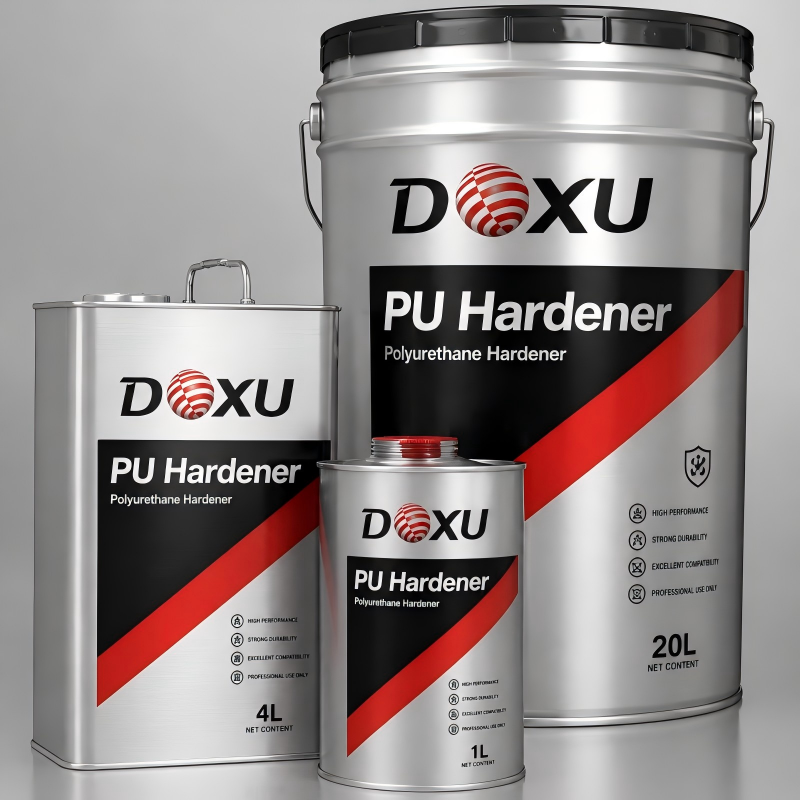
Isocyanate curing agents are used in many products, but they can have a negative impact on the environment. When people use these agents, they release harmful chemicals into the air. These chemicals can cause pollution and contribute to health problems for workers and communities. Some studies show that isocyanates can lead to respiratory issues and other health risks. That’s why it is important to consider the environmental effects of using these materials.
On the other hand, non-isocyanate systems are becoming more popular because they are safer for the environment. They do not release the same harmful chemicals, making them a better choice for both health and the planet. These systems can still cure products effectively, but without the negative side effects. Companies like Dongxu are focusing on creating non-isocyanate options that are just as strong and reliable as isocyanate systems. By choosing non-isocyanate systems, businesses can reduce their impact on the environment and promote a healthier workplace.
In summary, isocyanate systems can harm both the environment and human health. Non-isocyanate systems offer a safer alternative that helps protect the planet. As more companies recognize these benefits, the demand for non-isocyanate products is likely to grow. This shift can lead to a healthier future for everyone.
What Are the Latest Innovations in Non-Isocyanate Curing Agents for Wholesale Buyers?
In recent years, there have been exciting new developments in non-isocyanate curing agents. Companies like Dongxu are leading the way by creating new formulas that make these agents even more effective. These innovations focus on improving performance while keeping safety a priority. For example, some new non-isocyanate agents cure at lower temperatures, which saves energy and makes them more efficient to use. This is a big win for businesses looking to cut costs while being eco-friendly.
Another innovation is the use of bio-based materials in non-isocyanate curing agents. These materials come from natural sources, making them a sustainable choice. By using resources that are renewable, companies can help reduce their reliance on fossil fuels. This approach not only helps the environment but can also attract customers who care about sustainability. Many wholesale buyers are looking for products that align with their values, and these new non-isocyanate agents fit the bill perfectly.
Additionally, the performance of non-isocyanate hdi isocyanate curing agents is improving. New formulations are being tested to ensure they cure quickly and create strong bonds, similar to isocyanate systems. This means that businesses can enjoy the benefits of non-isocyanate agents without sacrificing quality. As a wholesale buyer, staying updated on these innovations can help you make better choices for your customers. By offering safer and more sustainable products, you can stand out in the marketplace and contribute to a healthier environment.
Where to Source High-Quality Isocyanate Curing Agents for Your Business Needs?
If your business needs isocyanate curing agents, it is important to find high-quality sources. One reliable option is Dongxu, which offers a range of isocyanate products that meet industry standards. When looking for these agents, you should consider factors like purity, performance, and safety. High-quality isocyanate curing agents hdi trimer isocyanate will provide consistent results and ensure that your products are durable and effective.
You can start by visiting trade shows or industry conferences where suppliers showcase their products. These events are great places to meet potential suppliers and learn more about their offerings. You can also ask for samples to test the products before making a big purchase. This way, you can check if the isocyanate agents perform well for your specific needs.
Another option is to search online for suppliers. Many companies have websites where you can view their product catalogs and request quotes. Look for suppliers that have good reviews and are known for their reliability. It is also helpful to choose suppliers who provide excellent customer service. They should be able to answer your questions and support you tdi isocyanate with any issues that may arise.
sourcing high-quality isocyanate curing agents is essential for your business. Companies like Dongxu offer reliable products that can meet your needs. By attending industry events and researching online, you can find the best suppliers to ensure your projects are successful.